
HDPE CONDUIT
WHY CHOOSE CONDUIT DIRECT GROUP FOR YOUR HDPE PIPE?
WHAT IS HDPE CONDUIT
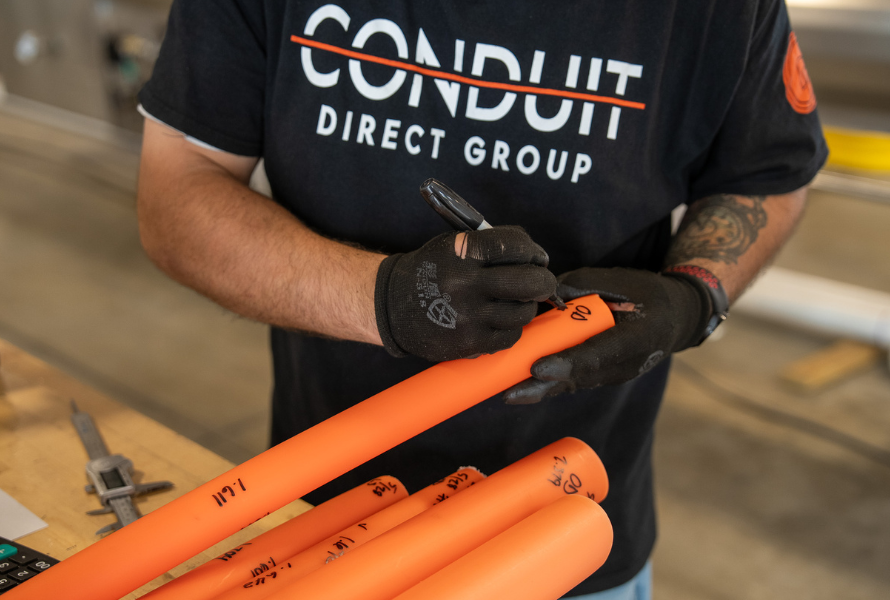
WHY HDPE IS PREFERRED FOR UNDERGROUND INFRASTRUCTURE
Corrosion and Chemical Resistance
Long Continuous Runs
Flexible Installation
High Impact Resistance
Long Service Life
HOW TO CHOOSE THE RIGHT HDPE FOR YOUR PROJECT
01
Installation Method
02
Cable Capacity
03
Environmental Conditions
04
Project Scale
WHERE HDPE CONDUIT GOES TO WORK
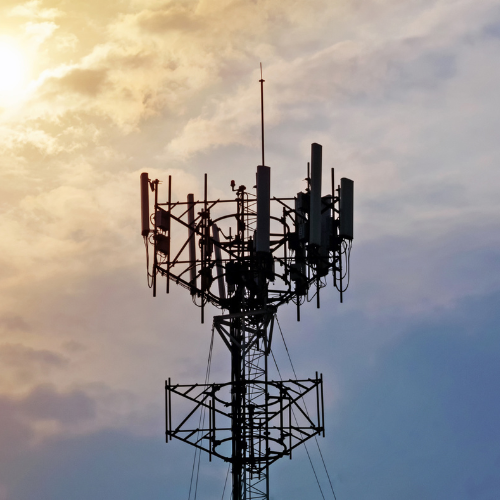

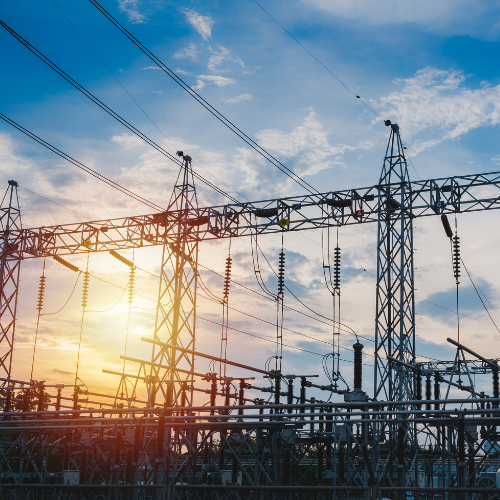

HDPE INSTALLATION METHODS
01
Directional Drilling (HDD)
02
Direct Burial
03
Plowing and Trenching
04
Aerial Installations
FREQUENTLY ASKED QUESTIONS
What is HDPE conduit?
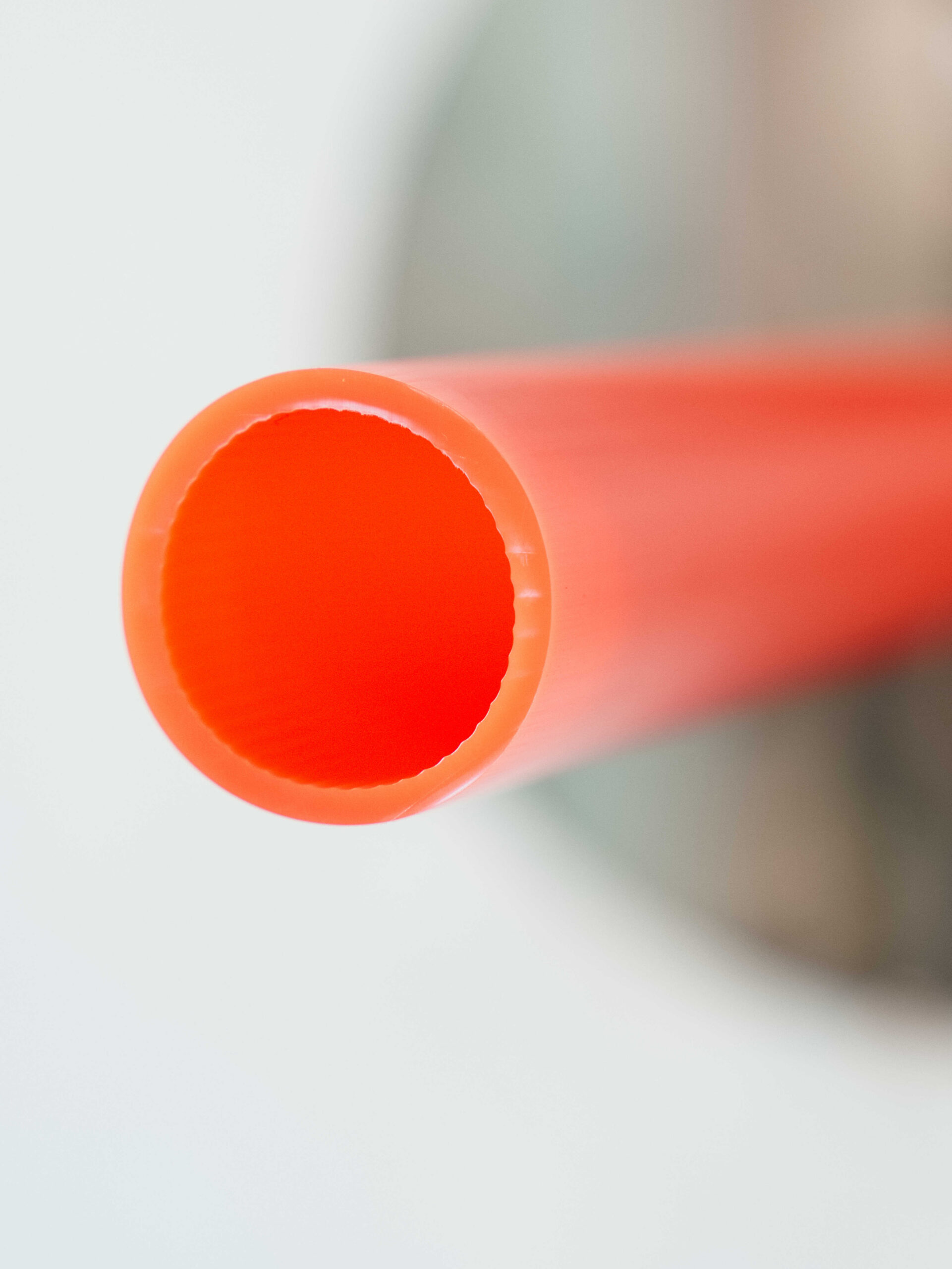
HDPE conduit is a type of electrical and communications conduit made from high-density polyethylene. It is used to protect and route cables or wiring in underground and above-ground installations. Known for its flexibility, durability, and resistance to corrosion, HDPE conduit is lightweight yet strong, making it ideal for directional drilling, plowing, and direct burial applications. It can withstand harsh environmental conditions without cracking or breaking, ensuring long-lasting protection for fiber optic, power, and telecom cables.
Why is HDPE conduit used for fiber optic cable?
HDPE conduit protects fiber cables from moisture, ground movement, and physical damage while allowing long continuous installations that reduce connection points.
Is HDPE conduit better than PVC conduit?
HDPE conduit is more flexible and impact-resistant than PVC, making it better suited for underground installations, directional drilling, and environments where soil movement may occur.
HDPE conduit sizing and innerduct capacity
- NEC guidelines: The National Electrical Code provides guidelines for the number of conductors allowed in a conduit based on its diameter.
- Casing pipe fill: The maximum recommended fill for a casing pipe is 70%. The optimal fill percentage depends on the run’s length and complexity.
What does HDPE stand for?
HDPE stands for High-Density Polyethylene.
What are the cost advantages of using HDPE?
Reduced installation costs:
- Easy bending for trenchless installation
- Fewer joints needed for longer lines
- Strong, leak-proof heat-fused joint
- 50+ year lifespan reduces replacement costs
- Superior impact resistance, especially in cold weather
- Lower cost and weight compared to metal pipes
How long does HDPE conduit last underground?
When installed correctly, HDPE conduit systems are designed to last for decades in underground environments.
What does SDR stand for?
SDR, or Standard Dimension Ratio, is a measure of pipe wall thickness. A higher SDR indicates a thinner wall. The appropriate SDR for a project depends on factors like bore length, diameter, soil conditions, and ASTM standards.