HDPE Conduit
Why choose Conduit Direct Group for your HDPE Pipe?
Conduit Direct Group is a leading manufacturer of high-quality HDPE conduit engineered to protect and house fiber optic cables, power cables, and other essential data or communication transmission lines. Our HDPE conduit is manufactured to strict industry standards, offering superior flexibility, durability, and resistance to corrosion, chemicals, and harsh environmental conditions. Whether used for underground directional drilling, direct burial, or aerial installations, Conduit Direct Group’s HDPE conduit ensures exceptional performance and long-term protection for your critical cable infrastructure.
Competitive Pricing
By being our own manufacturer we cut on costs that most suppliers can’t. Then we pass that savings to our customers.
Customized Orders
Since we manufacture in-house, we offer more customized options with faster turnaround times. See all our available options below.
Short Turn-Around Time
Our team goes the extra mile to ensure that you get your conduit when you need it. We understand the importance or turn-around times on the job-site.
What is HDPE Conduit
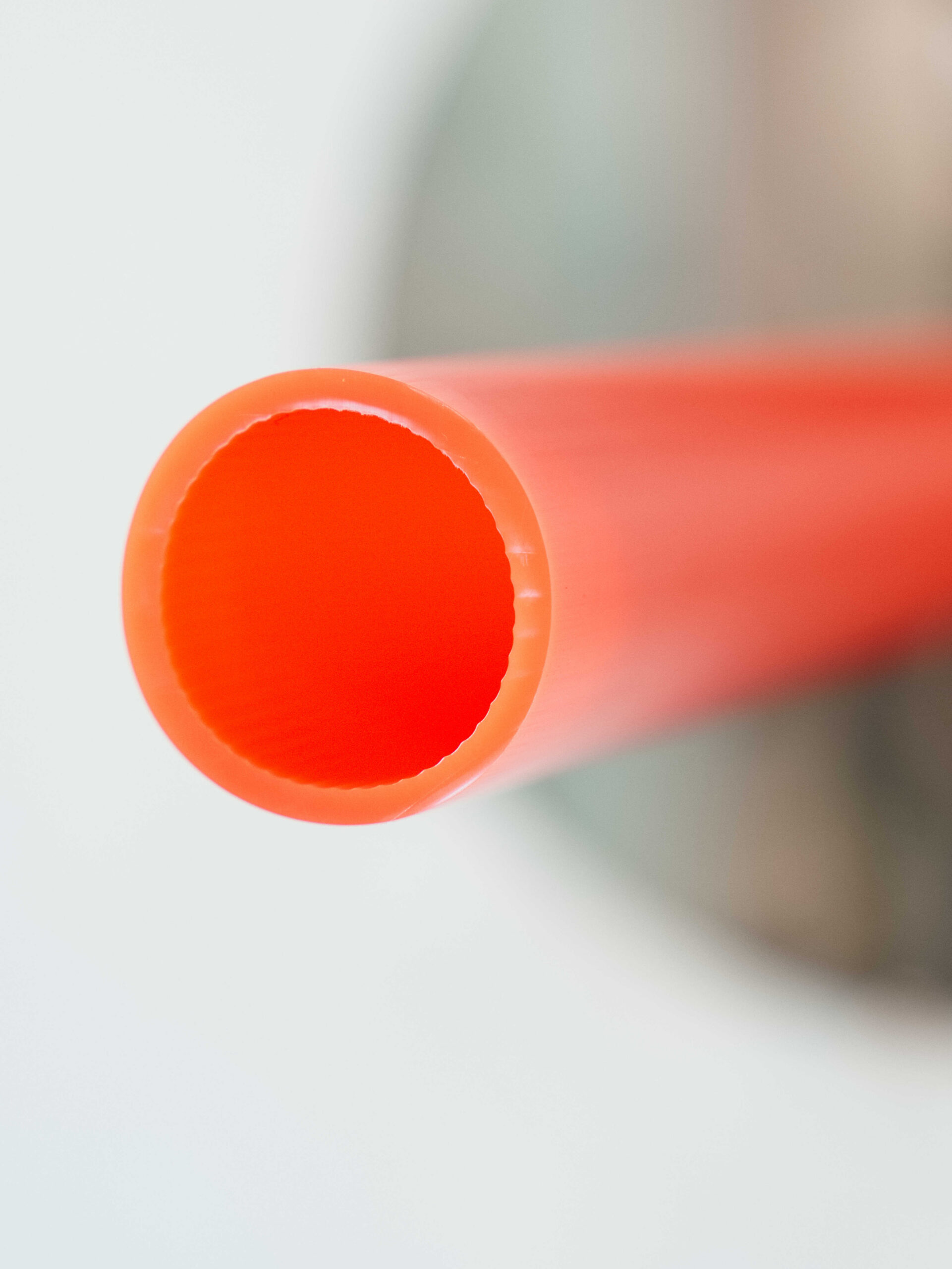
High-density polyethylene (HDPE) conduit is a flexible, high-strength plastic conduit designed to protect electrical, fiber optic, and communication cables. The material is engineered to withstand underground environments, ground movement, and harsh weather while maintaining long-term cable protection.
Unlike rigid conduit systems, HDPE conduit can be installed in long continuous lengths, reducing the number of joints and fittings required during installation.
Because of its durability and flexibility, HDPE conduit has become the preferred solution for many infrastructure projects including:
- Fiber optic network expansion
- Power distribution systems
- Broadband and telecom infrastructure
- Data center connectivity
- Utility trenching and directional drilling

Why HDPE Conduit Is Preferred for Underground Infrastructure
HDPE conduit has become the standard material for modern telecom and utility infrastructure because it offers a unique balance of strength, flexibility, and long-term reliability.
Corrosion and Chemical Resistance
Unlike steel or other metallic conduit options, HDPE does not corrode when exposed to moisture, soil chemistry, or underground environments.
Flexible Installation
HDPE conduit can bend and follow trench contours or directional drilling paths without cracking, allowing installers to navigate around obstacles and reduce the need for fittings.
Long Continuous Runs
Our HDPE conduit is often supplied on large reels, allowing installers to place long sections of conduit in a single run. This reduces installation time and minimizes potential failure points caused by joints.
High Impact Resistance
HDPE material has excellent toughness, helping it withstand jobsite handling, transportation, and underground stress.
Long Service Life
HDPE conduit systems are designed to provide decades of service in buried infrastructure applications while protecting sensitive cables from moisture, abrasion, and environmental damage.

How to Choose the Right HDPE for Your Project
Choosing the correct HDPE conduit depends on several factors including cable type, installation method, and environmental conditions. Understanding these variables helps ensure the conduit system performs reliably over the long term.
Installation Method
Directional drilling projects typically require conduit designed to withstand pulling forces and underground stress. Direct burial installations may allow for different SDR ratings depending on soil conditions.
Cable Capacity
The number and type of cables being installed determine the conduit diameter needed. Projects that anticipate future network expansion may install larger conduit sizes to allow for additional cable capacity later.
Environmental Conditions
Underground conditions such as soil composition, moisture levels, and potential ground movement can influence conduit selection. HDPE conduit is particularly well suited for environments where flexibility and impact resistance are required.
Project Scale
Large infrastructure projects such as fiber networks or utility expansions often benefit from HDPE conduit supplied in long continuous lengths, which helps reduce installation time and minimize the number of joints in the system.
Working with an experienced HDPE conduit manufacturer can help ensure the correct specifications and configurations are selected for each project.
HDPE Conduit Use Cases
HDPE conduit is a reliable and durable solution for protecting critical fiber optic cables, power lines, and other communication infrastructure. Its superior strength, flexibility, and resistance to environmental factors such as moisture, chemicals, and temperature changes make it the ideal choice for a wide range of industries and applications.

Telecom
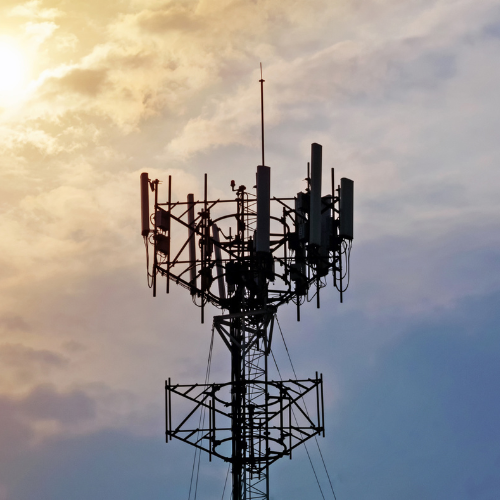
Our HDPE conduit solutions provide telecom providers with durable, industry-compliant pathways for installing fiber optic and copper cables. HDPE conduit is flexible and easy to install using directional drilling or direct burial, helping telecom companies meet project deadlines efficiently while future-proofing their networks to handle increasing data traffic demands.

Internet Service Providers
For internet service providers, HDPE conduit ensures secure and long-lasting protection for fiber optic cables and communication lines. Its high resistance to cracking, corrosion, and ground movement preserves cable integrity, ensuring uninterrupted service and reducing maintenance costs over time.

Power & Electrical Utilities
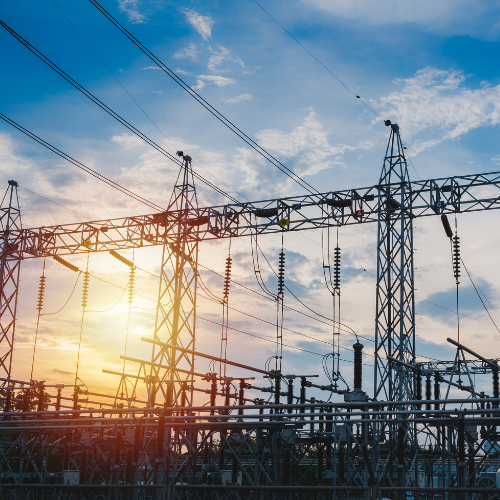
HDPE conduit is also widely used in power distribution to house electrical cables safely underground. Its non-conductive, corrosion-resistant properties make it ideal for protecting electrical infrastructure against moisture, chemicals, and soil shifts.

Municipal & Infrastructure Projects
Municipalities use HDPE conduit for street lighting, traffic signals, and public utilities. Its lightweight nature and long reel lengths make installation quick and cost-effective for large-scale infrastructure projects.
HDPE Installation Methods
Directional Drilling (HDD)
Horizontal directional drilling allows HDPE conduit to be installed beneath roads, waterways, and developed areas without major excavation.
Direct Burial
HDPE conduit can be buried directly in trenches, making it ideal for large-scale telecom and power installations.
Plowing and Trenching
Plowing methods allow installers to place conduit quickly in rural fiber deployments and broadband expansion projects.
Aerial Installations
In some cases, HDPE conduit can also be used to house fiber cables in aerial infrastructure systems.

Frequently Asked Questions
Find answers to common questions about our HDPE conduit products, including specifications, applications, ordering, and delivery. We’ve compiled the information customers ask for most to help you quickly find what you need. If you don’t see the answer you’re looking for, feel free to contact our team and we’ll be happy to help.
What is HDPE Conduit?
HDPE conduit is a type of electrical and communications conduit made from high-density polyethylene. It is used to protect and route cables or wiring in underground and above-ground installations. Known for its flexibility, durability, and resistance to corrosion, HDPE conduit is lightweight yet strong, making it ideal for directional drilling, plowing, and direct burial applications. It can withstand harsh environmental conditions without cracking or breaking, ensuring long-lasting protection for fiber optic, power, and telecom cables.
Why is HDPE conduit used for fiber optic cable?
HDPE conduit protects fiber cables from moisture, ground movement, and physical damage while allowing long continuous installations that reduce connection points.
Is HDPE conduit better than PVC conduit?
HDPE conduit is more flexible and impact-resistant than PVC, making it better suited for underground installations, directional drilling, and environments where soil movement may occur.
HDPE Conduit Sizing and Innerduct Capacity
- NEC Guidelines: The National Electric Code provides guidelines for the number of conductors allowed in a conduit based on its diameter.
- Casing Pipe Fill: The maximum recommended fill for a casing pipe is 70%. However, the optimal fill percentage depends on the run’s length and complexity.
What does HDPE stand for?
HDPE stands for High-Density Polyethylene.
What are the cost advantages of using HDPE?
Reduced Installation Costs:
- Easy bending for trenchless installation
- Fewer joints needed for longer lines
- Strong, leak-proof heat-fused joint
Long-Term Savings:
- 50+ year lifespan reduces replacement costs
- Superior impact resistance, especially in cold weather
- Lower cost and weight compared to metal pipes
How long does HDPE conduit last underground?
When installed correctly, HDPE conduit systems are designed to last for decades in underground environments.
What does SDR stand for?
SDR, or Standard Dimension Ratio, is a measure of pipe wall thickness. A higher SDR indicates a thinner wall. The appropriate SDR for a project depends on factors like bore length, diameter, soil conditions, and ASTM standards.
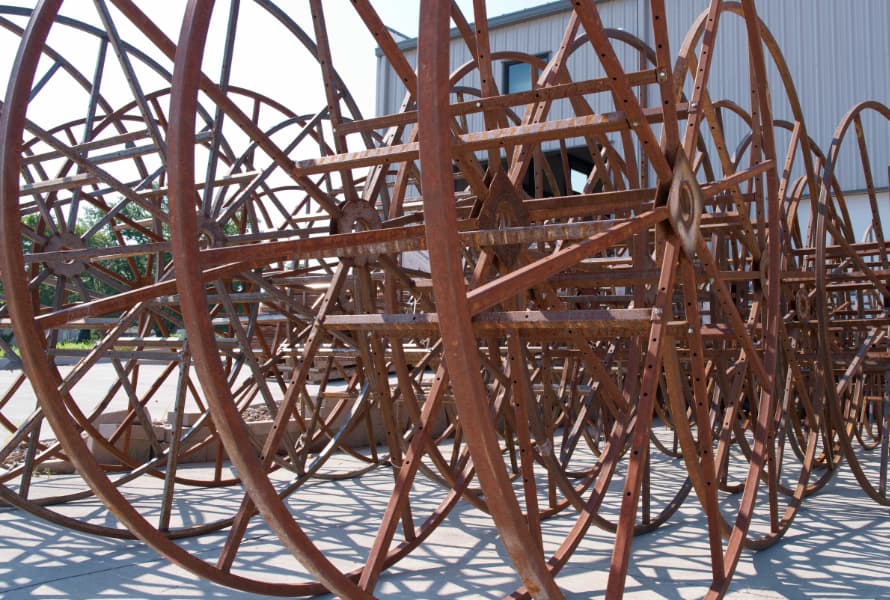
REEL RETURN PROGRAM
Locate reels that meet the Acceptable Guidelines and return them for cash. Reusing steel reels is environmentally friendly and cleans up the work area. Reels in good condition can be sent back to Conduit Direct Group for reuse.